
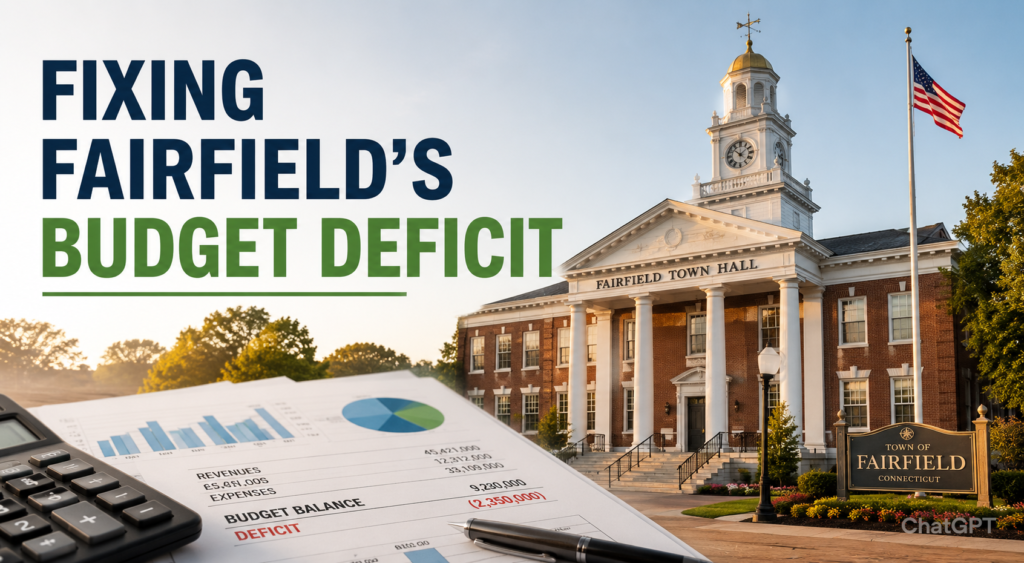
Nobody likes talking about budget deficits.
They are complicated. They are uncomfortable. And in local politics, they are the kind of topic that too many elected officials would rather quietly shuffle past than address head on. It is easier to cut a ribbon at a new park than explain to residents why the city’s finances are under strain.
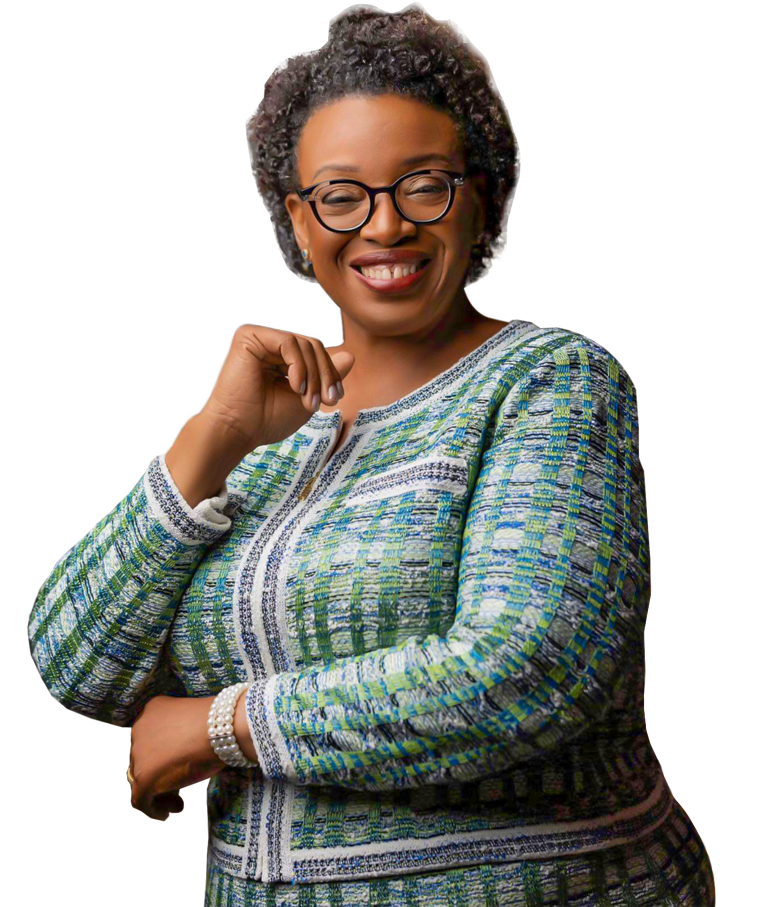
K. Patrice Williams is not interested in the easier path.
As the sitting council member for District 1 and a candidate for re-election in November 2026, she has made fiscal discipline and economic prosperity two of the cornerstones of her platform. Not because they poll well. Because Fairfield needs a council member who is willing to look at the hard numbers, speak honestly about what they mean, and then do the difficult work of actually fixing the problem.
Fairfield is a city with real potential. It has the location, the workforce, and the community spirit to thrive for decades to come. But potential does not pay city employees. It does not fund public safety. It does not maintain roads or keep the lights on at community centers. Smart, disciplined financial leadership does. And that is exactly what Patrice is bringing to the table.
Understanding the Deficit: A Transparent Look at Fairfield’s Structural Budget Challenges
Before you can fix a problem, you have to be honest about what the problem actually is.
Fairfield, like many California cities its size, is dealing with structural budget challenges that did not appear overnight. They built up gradually, through a combination of rising costs, shifting revenue streams, and in some cases, financial decisions that prioritized short-term comfort over long-term sustainability.
Here is what that looks like in practice:
- Rising pension obligations that cities across California are wrestling with, as commitments made years ago come due in an environment where investment returns have not always kept pace
- Increasing costs for essential services including public safety, infrastructure maintenance, and city administration, driven by inflation, labor agreements, and growing community needs
- Revenue that has not kept up with the pace of spending, partly because Fairfield’s economic development has not yet reached the level needed to generate the tax base a growing city requires
- Deferred infrastructure costs that do not disappear by being ignored and eventually come back as emergency expenses that blow holes in already tight budgets
- Dependence on one-time funding sources to cover recurring expenses, which is the financial equivalent of putting groceries on a credit card and hoping something changes before the bill arrives
K. Patrice Williams believes Fairfield residents deserve to understand all of this clearly. Transparency is not just a value for Patrice. It is the foundation of everything else. You cannot build trust without it, and you cannot build a sustainable city budget without trust.
Her commitment in a second term is to ensure that Fairfield’s budget process is fully visible to the public, that financial reporting is clear and accessible, and that residents always have a straight answer when they ask where their money is going.

Balanced Solutions: How K. Patrice Approaches Budget Cuts vs. Revenue Growth
This is where a lot of politicians pick a lane and stay in it.
Some default to cuts. Slash spending, reduce the workforce, trim services, and call it fiscal responsibility. Others default to revenue. Raise fees, pursue new taxes, and find ways to bring more money in without touching the expense side.
Patrice does not think either extreme serves Fairfield well on its own.
Her approach is genuinely balanced, and it comes from her background as both a lawyer who understands how policy creates consequences and a business owner who has had to make real financial decisions with real stakes attached.
On the cuts side, her position is clear:
- Not all spending is equal and a serious budget review means distinguishing between what is essential and what is not
- Cuts should never start with the services that the most vulnerable residents depend on most
- Administrative efficiency and procurement reform are legitimate places to find savings without hurting the people who rely on city services
- Every department should be expected to justify its budget with outcomes, not just history
On the revenue side, her thinking is equally practical:
- Short-term revenue fixes that create long-term dependency are not solutions, they are delays
- Sustainable revenue growth comes from growing Fairfield’s economic base, attracting businesses, supporting job creation, and building a tax base that expands naturally as the city prospers
- Grants, state funding, and federal resources are underutilized by many cities and Fairfield should be far more aggressive in pursuing every available dollar it is entitled to
- Fee structures should be reviewed regularly to ensure they are fair, current, and actually covering the costs they are designed to offset
The balance between these two approaches is not a political compromise. It is sound financial management. And it is exactly how a business owner thinks when the numbers are not working. You do not just cut your way to growth and you do not just spend your way to stability. You do both, strategically, at the same time.

Economic Development: Attracting New Businesses and High-Paying Jobs
Here is the most important thing to understand about fixing a structural budget deficit.
You cannot cut your way out of it permanently. At some point, the city has to grow its way out. And that means economic development is not just a nice-to-have priority. It is a fiscal necessity.
K. Patrice Williams approaches economic development with a clear-eyed understanding of what Fairfield has to offer and what it needs to do differently to compete for the businesses and jobs that will drive long-term financial health.
Fairfield’s assets are real:
- A strategic location between San Francisco and Sacramento with major highway and rail access
- A diverse and growing workforce
- Lower commercial real estate costs compared to Bay Area cities, making it genuinely attractive to businesses priced out of the region’s core markets
- A strong military presence through Travis Air Force Base that creates consistent economic activity and specialized workforce pipelines
But assets alone do not close deals. Active, strategic recruitment does.
Patrice’s economic development priorities include:
- Creating a business-friendly environment that reduces unnecessary red tape, streamlines permitting processes, and sends a clear signal that Fairfield wants businesses to come here and stay here
- Targeting high-wage industries including healthcare, technology, logistics, and professional services that create the kind of jobs that lift household incomes and generate strong tax revenue
- Supporting small and minority-owned businesses through access to resources, technical assistance, and contracting opportunities, because local business growth is the most community-rooted form of economic development there is
- Leveraging Travis Air Force Base as an economic anchor by deepening partnerships between the base, local businesses, and workforce development programs that keep military families and veterans connected to Fairfield’s economy
- Investing in workforce development so that Fairfield residents are genuinely competitive for the jobs being created in and around the city, rather than watching opportunity arrive and pass them by
Every business that opens in Fairfield, every high-paying job that is created, every employee who earns enough to shop locally, buy a home, and invest in their neighborhood is a contribution to the city’s financial stability. Economic development and fiscal health are not separate conversations. They are the same conversation, and Patrice has been making that case consistently since she took office.
Long-Term Stability: Ensuring Fairfield’s Financial Health for Future Generations
Short-term thinking is how cities get into budget trouble in the first place.
A council member who is always focused on the next election cycle is structurally incentivized to make decisions that feel good now and create problems later. Kick the pension can down the road. Use one-time funds to cover ongoing expenses. Delay infrastructure maintenance until it becomes an emergency. These are the habits that compound quietly until they become a crisis.
K. Patrice Williams is thinking generationally. Not just about what Fairfield needs to get through the next fiscal year, but about what kind of financial foundation this city is building for the families who will live here ten, twenty, and thirty years from now.
Her long-term financial priorities reflect that mindset:
- Building and maintaining a healthy reserve fund so that Fairfield is not one economic downturn away from cutting essential services or laying off city workers
- Addressing pension liabilities directly rather than deferring them, working within the existing legal and contractual framework to find sustainable paths forward that are fair to city employees and responsible to taxpayers
- Prioritizing infrastructure investment on a planned, proactive schedule rather than waiting for things to break and paying emergency prices to fix them
- Diversifying Fairfield’s revenue base so the city is not overly dependent on any single source of income and is therefore more resilient when economic conditions shift
- Planning for growth responsibly by ensuring that new development pays its fair share of the infrastructure and service costs it generates rather than pushing those costs onto existing residents
Accountability: Her Commitment to Ethical Governance and Data-Informed Decisions
All of the priorities above mean nothing without accountability.
And accountability is not just a word Patrice uses in campaign materials. It is a standard she has applied to herself throughout her first term and a commitment she is doubling down on as she asks for a second.
What does real accountability look like in local government?
- Data-informed decision making. Every significant financial decision should be backed by real data, independent analysis, and honest projections, not just political instinct or departmental advocacy. Patrice has pushed for this standard consistently and will continue to do so.
- Regular public financial reporting that goes beyond the legal minimum. Fairfield residents should not have to file a public records request to understand how their money is being spent. Clear, regular, accessible financial updates should be a standard part of how City Hall communicates.
- Independent oversight. Strong financial governance requires checks that exist outside of the political process. Patrice supports robust independent auditing and is committed to ensuring that oversight mechanisms have the resources and authority to do their jobs properly.
- Ethical contracting and procurement. Every dollar the city spends should go through a fair, transparent process that prioritizes value for residents over relationships or convenience. No exceptions.
- Personal accountability. Patrice holds herself to the same standard she applies to city government. She shows up. She follows through. She reports back. And when things do not go as planned, she says so and explains why rather than quietly moving on.
In a political environment where trust in government is fragile, this kind of consistent ethical governance is not just morally right. It is strategically essential. A city whose residents trust their government is a city that can have hard conversations about budgets, make difficult decisions about priorities, and move forward together.
That is the Fairfield K. Patrice Williams is building toward.
Fairfield’s Financial Future Is a Choice
Budget deficits do not fix themselves. They require leadership that is willing to look at the real numbers, tell the truth about what they mean, and then do the sustained, unglamorous work of turning things around. Leadership that can balance discipline with growth, short-term needs with long-term vision, and political reality with genuine accountability.
K. Patrice Williams has spent four years in District 1 proving that she is that kind of leader. She came in with the legal and economic training to understand complex financial systems and the business owner’s instinct to make decisions that actually work in the real world.
This November, voters in District 1 have the opportunity to send back a council member with the knowledge, the record, and the commitment to see this work through.
Vote K. Patrice Williams for Fairfield City Council, District 1, this November.
If you want to learn more about K. Patrice, check her out or Linkedin or Learn more at kpatriceforfairfield.com