
Most people pay close attention to presidential elections.
The ads are everywhere. The debates dominate the news cycle. Social media turns into a battleground for months leading up to November. It is hard not to be aware that a major election is happening.
Local elections are different. They are quieter. Less dramatic. Easier to overlook. And yet the decisions made by your city council member affect your daily life in ways that no president ever will. The condition of the road you drive to work every morning. The park where your kids spend their Saturday afternoons. Whether the city is spending your tax dollars wisely or letting them disappear into bureaucratic inefficiency. Whether the businesses on your main street are thriving or slowly closing up.
That is the stakes of a local city council election. And it deserves your full attention.
If you are a Fairfield resident heading into November and you want to make an informed choice, here is exactly what to look for.
1. Do They Actually Know the Community They Want to Represent?
This is the first question worth asking about any city council candidate. Not what they say about the community. How well they actually know it.
There is a real difference between a candidate who has lived in a neighborhood, raised children there, run a business there, navigated its frustrations and celebrated its strengths firsthand, and a candidate who shows up six months before an election with a set of polished talking points.
Local government is hyperlocal by nature. The issues that matter in Cordelia are not exactly the same as the issues that matter three miles away. A council member who genuinely knows their district brings a texture of understanding to every decision that cannot be faked and cannot be learned from a briefing document.
When you are evaluating a candidate, ask yourself honestly: does this person know my neighborhood the way a neighbor would? Or does it feel like they are learning it for the first time on the campaign trail?
2. Is There a Real Record to Look At, or Just Promises?
First-time candidates ask you to trust their potential. Incumbents ask you to evaluate their record.
When a candidate has already served on the city council, you do not have to wonder what they will do with the seat. You can look at what they have already done with it. For example, did they show up consistently? Did they follow through on what they said they would prioritize? Did they advocate for their district in ways that produced visible, real results?
A strong record matters more than a compelling campaign. Anyone can give a good speech. Fewer people can point to four years of consistent, community-centered work and say, here is what I did and here is what it meant for the people I represent.
This is exactly why the K. Patrice Williams Fairfield election this November is worth paying close attention to. She is not asking District 1 to take a chance on her potential. She is asking them to look at what she has already delivered on housing affordability, fiscal discipline, public safety, small business support, and transparency, and decide whether that record deserves four more years to build on.
That kind of accountability is what re-election campaigns should be about.
3. Do Their Priorities Reflect What Your Community Actually Needs?
Every candidate has a list of priorities. The question is whether those priorities reflect genuine community needs or whether they were assembled to appeal to the broadest possible audience without committing to anything specific.
Vague priorities are a warning sign. Phrases like “I will fight for our community” or “I believe in Fairfield’s future” are not priorities. They are marketing. Real priorities are specific. They name the issues, explain the approach, and give residents something concrete to hold a candidate accountable for after the election is over.
When you read a candidate’s platform, ask yourself these questions:
- Are these priorities specific enough to mean something, or are they so broad that anyone could agree with them?
- Do these priorities reflect what residents in my neighborhood have actually been asking for?
- Does the candidate explain how they plan to achieve these priorities, or just that they care about them?
- Are the priorities realistic given the actual constraints of a city council seat, or do they promise things a council member has no power to deliver?
Good local candidates know the difference between what a council member can actually influence and what falls outside their jurisdiction entirely. That knowledge matters. A candidate who overpromises is either uninformed about how local government works or willing to mislead voters to win. Neither is a quality you want in the person making decisions about your neighborhood.
4. How Do They Communicate With Residents Between Elections?
This one does not get enough attention.
The easiest time to talk to voters is during a campaign. The harder, more meaningful thing is staying connected to the community between elections, when there is no political incentive to show up and no camera following you around.
Look at how a candidate has communicated with residents outside of campaign season. Have they held community forums? Do they respond to constituent questions? Have they created spaces for honest dialogue about difficult issues? Do they make themselves accessible to ordinary residents, not just to organized groups with professional lobbyists?
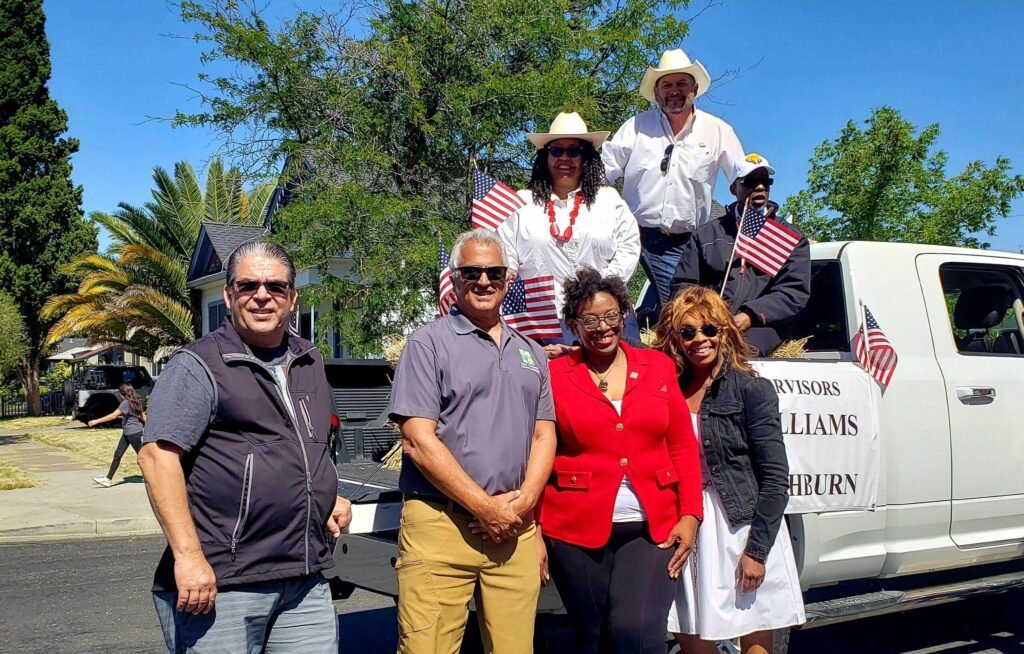
K. Patrice Williams built her platform as host of Turning Point with K. Patrice Williams around exactly this principle. Long before she was asking for votes, she was creating space for real conversations about the issues affecting everyday people in Fairfield. That kind of ongoing, genuine engagement is what separates a community-rooted leader from a politician who appears every four years and disappears in between.
When you evaluate a candidate, think about what their communication looked like when nobody was watching. That is usually a reliable preview of what it will look like after they win.
5. Do They Have the Background to Handle the Job?
City council work is more complex than most people realize.
Council members vote on budgets with millions of dollars at stake. They navigate state housing law, environmental regulations, zoning requirements, and public safety policy. They evaluate contracts, review development proposals, and make decisions that have legal, financial, and community consequences that ripple outward for years.
That does not mean a council member needs to be an expert in every field. But it does mean that background, education, and professional experience matter. A candidate who has built organizations, navigated legal and financial complexity, and demonstrated the ability to make hard decisions with real consequences brings something genuinely valuable to the council table.
Consider what a candidate has actually done before running for office:
- Have they managed budgets and teams?
- Do they understand how local government works from the inside, or are they learning it for the first time?
- Have they demonstrated the ability to think critically about complex policy, or do they rely on simple narratives about complicated problems?
- Does their professional background give them relevant skills, whether in law, business, education, community organizing, or public service?
This is one of the reasons the background K. Patrice Williams brings to the Fairfield City Council matters so much. A Juris Doctor from San Francisco Law School. An Economics degree from Sonoma State. Years of experience as a founder, CEO, adjunct professor, and marketing director. That is not a typical local government resume. And in a city navigating the complexity of housing policy, budget deficits, and economic development simultaneously, it is exactly the kind of preparation the job requires.
6. What Do the People Around Them Say?
Endorsements from political organizations tell you something. But the more revealing signal is what ordinary community members say about a candidate.
Talk to neighbors. Read local community forums. Pay attention to who is showing up at campaign events and what they say about why they support this person. The people who have actually worked alongside a candidate, been helped by them, or watched them navigate difficult situations under pressure are often the most honest source of information about what kind of leader they actually are.
Look also at whether the candidate has built genuine relationships with community organizations, nonprofits, businesses, and civic groups in the district. Real relationships built over years of showing up are different from the relationships candidates try to build in the weeks before an election.
7. Are They Honest About the Hard Things?
The easiest thing a candidate can do is tell voters what they want to hear.
The harder thing, and the more important thing, is telling voters what they need to hear. Being honest about the budget challenges facing the city. Being direct about what a council member can and cannot control. Acknowledging when previous efforts fell short and explaining what they would do differently.
Candidates who only offer optimism and never acknowledge difficulty are either not paying attention or not being straight with you. Real leadership requires the courage to have honest conversations, especially when those conversations are uncomfortable.
This connects to everything discussed in the article on Fairfield City Council Transparency. A council member who is genuinely committed to transparency does not just open up the process when it is easy. They stay honest when the news is not good, when the budget is tight, when a program is not delivering results, when a neighborhood need is not being met as quickly as it should be.
That kind of honesty is rare. And it is exactly what voters should be looking for.
8. Do They See All Residents, or Just Some?
A city council member represents every person in their district. Also, not just the homeowners. Not just the business community. Not just the residents who show up to every council meeting. Every resident. Including renters, seniors on fixed incomes, families with disabilities, young people, immigrants, and the people whose voices are least likely to be heard in formal government processes.
Look at whether a candidate’s platform reflects the full diversity of their district’s needs. In addition, do they address housing affordability alongside economic development? Do they talk about disability access and inclusion alongside infrastructure investment? Do they acknowledge the specific challenges facing families with limited resources, not just the priorities of the most organized and influential constituents?
As explored in the piece on Disability Access and Inclusion in Fairfield CA, the measure of good local leadership is whether every resident, including those most often overlooked, feels genuinely represented by the person sitting in that council seat.
The Bottom Line
Voting in a local city council election is one of the most direct forms of civic power you have.
The person you choose will make real decisions about your neighborhood, your city services, your tax dollars, and the quality of daily life for your family and your neighbors. That choice deserves more than a quick glance at a name on a ballot.
Take the time. Ask the hard questions. Look at the record. Evaluate the priorities. Consider the background. And vote for the person who has actually earned it.
For Fairfield District 1 voters, that conversation leads to one name this November.
Vote K. Patrice Williams for Fairfield City Council, District 1.
Learn more at kpatriceforfairfield.com and connect with K. Patrice Williams on LinkedIn.
Frequently Asked Questions
1. When is the Fairfield City Council District 1 election?
The election takes place in November 2026. Eligible residents can vote by mail, at early voting locations, or at their assigned polling place on election day.
2. What is the most important thing to look for in a city council candidate?
A real record of community engagement and delivered results matters more than campaign promises. Look for someone who has shown up consistently, not just during election season.
3. How do I know if a candidate truly understands my neighborhood?
Look beyond their campaign materials. How long have they been involved in the community? Do they have specific, detailed knowledge of local issues, or do they speak only in broad generalities?
4. Why does a candidate’s professional background matter for a city council seat?
City councils make complex decisions about budgets, housing, public safety, and economic development. Candidates with relevant legal, financial, or community leadership experience bring preparation that directly benefits the people they represent.
5. How can I learn more about K. Patrice Williams before voting?
Visit kpatriceforfairfield.com, follow her on LinkedIn, and tune into Turning Point with K. Patrice Williams for honest, in-depth conversations about the issues shaping Fairfield’s future.