
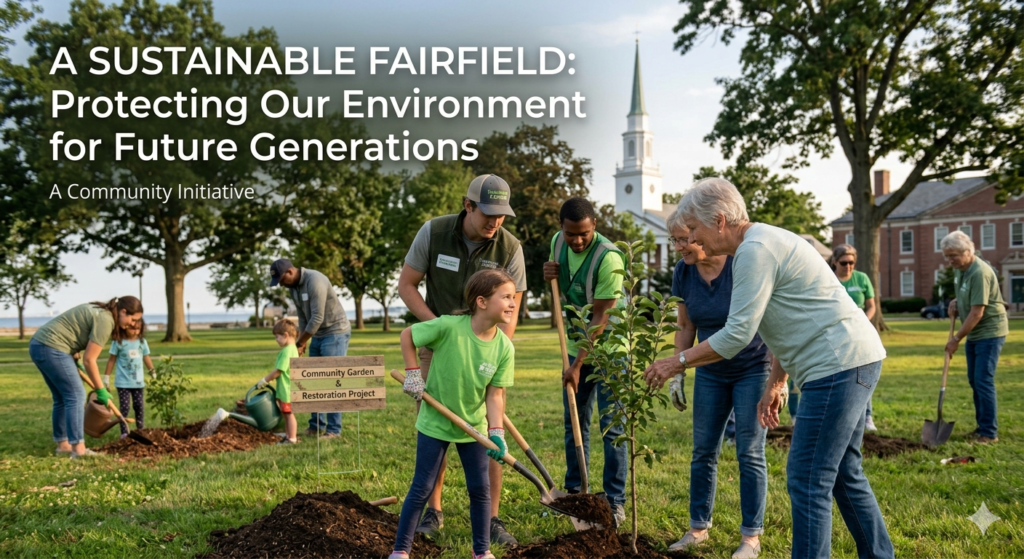
Fairfield is a beautiful city, and that carries real weight. The hills that frame the eastern edge of town. The wetlands that stretch toward the bay. The parks where families spend their weekends and kids learn what it feels like to play outside with room to breathe. These are part of what makes Fairfield worth fighting for.
To me, environmental sustainability in Fairfield, CA is a responsibility, not a niche issue or a political calculation. The decisions we make right now about how our city grows, how it manages its resources, and how it prepares for the environmental challenges ahead will determine what Fairfield looks and feels like for the next generation. When we get it right, Fairfield becomes a model for sustainable, community-centered growth. When we get it wrong, the things that make this city special start disappearing, quietly, one decision at a time. I’m not willing to let that happen.
I come to this as a mother who thinks about the world my children will inherit, as a business owner who understands the long-term cost of short-term thinking, and as a council member who has spent four years learning exactly how local decisions shape local environments.
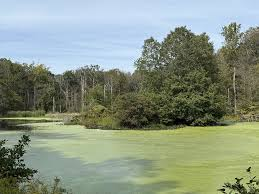
Environmental Stewardship: Protecting Fairfield’s Unique Natural Resources
Fairfield sits in one of California’s most ecologically rich regions.
The Suisun Marsh, just south of the city, is the largest brackish water marsh in the western United States. The surrounding wetlands, grasslands, and riparian corridors support an extraordinary range of wildlife and provide natural services, like water filtration, flood buffering, and carbon storage, that no infrastructure project can replicate at any price. These natural assets are foundational to our city’s long-term health and resilience.
That understanding is at the center of how I approach environmental stewardship. My priorities:
- Protecting open space and natural habitats from development pressures that put short-term growth ahead of long-term ecological health, so that as Fairfield grows, it respects and preserves what makes this region unique
- Supporting sustainable land use planning that builds conservation goals into every major development decision instead of treating environmental review as an afterthought
- Advocating for responsible water management in a region where both drought and flooding are real and recurring risks, and where our choices about water infrastructure ripple across the entire watershed
- Championing environmental justice so the benefits of healthy natural environments reach every Fairfield resident, not just those in the most affluent neighborhoods, which connects directly to my broader equity work on the council
Sustainability is also about making deliberate choices that prevent the loss of what can’t be replaced. I’m committed to holding that line.
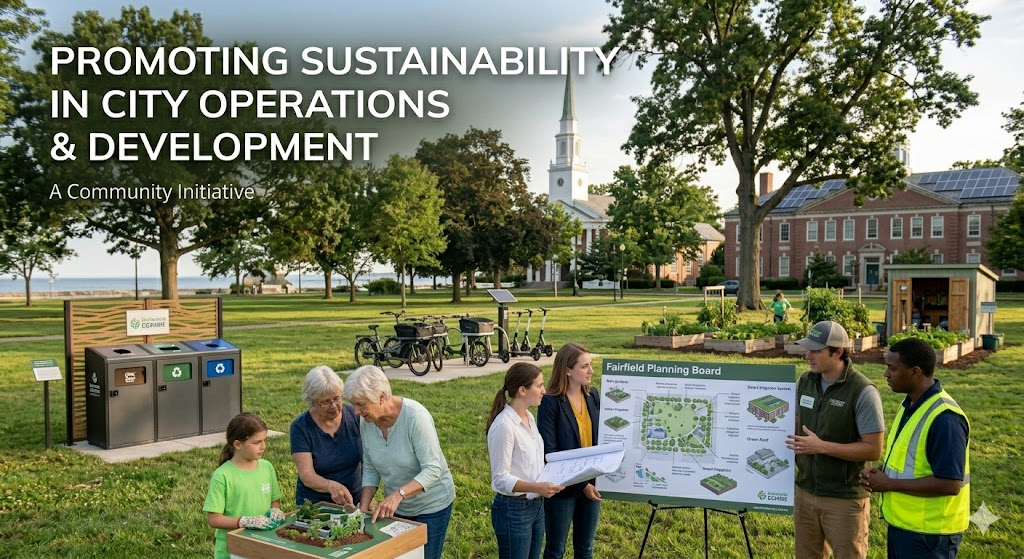
Green Initiatives: Promoting Sustainability in City Operations and Development
A city government that talks about sustainability while running its own operations wastefully isn’t credible. I believe city government has both the responsibility and the opportunity to lead by example.
In December 2024, the City of Fairfield completed a comprehensive General Plan Update called Fairfield Forward 2050, which includes a General Plan Update, Climate Action Plan, and Environmental Impact Report reflecting the community’s collective aspirations for the city’s future. That plan is a significant commitment on paper, and I’m focused on making sure it turns into action.
My green initiative priorities for city operations and development include:
- Energy efficiency upgrades across city facilities, from LED lighting and smart building systems to renewable energy procurement that lowers both our carbon footprint and our long-term energy costs
- Green building standards in new development that make energy efficiency a baseline requirement, not an optional add-on that gets negotiated away in permitting
- Electric vehicle infrastructure, including charging stations at city facilities and public spaces, that makes EV adoption more accessible to residents at every income level
- Waste reduction and recycling programs that go beyond the basics and engage residents and businesses in genuinely reducing what goes to the landfill
- Building sustainability into major city procurement decisions, from fleet vehicles to office supplies to construction contracts, because the cumulative impact of those choices adds up over time
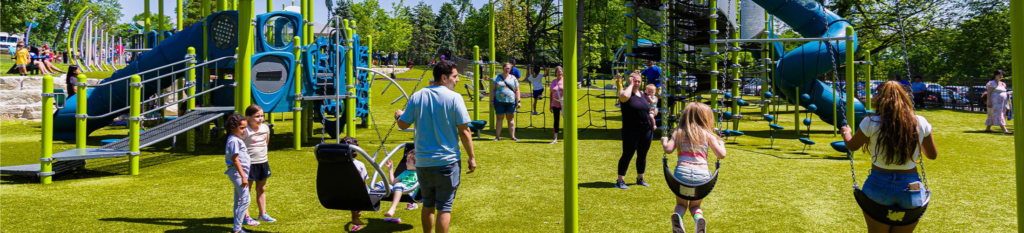
Parks and Open Spaces: Ensuring Access to Nature for All Residents
Access to nature isn’t a luxury. The research is consistent: green space improves mental health, reduces stress, encourages physical activity, and builds the kind of community connection that makes neighborhoods feel safe and worth caring for. Every resident, whatever part of the city you live in, deserves meaningful access to quality parks and open spaces.
This matters especially in District 1. Cordelia and Green Valley are communities where families are raising children, where seniors need accessible outdoor spaces, and where neighborhood amenities directly affect quality of life. I’ve heard from residents in both communities about what you want and need from your parks, and I’ve carried those conversations back into policy discussions.
My parks and open space priorities:
- Maintaining and improving existing parks across District 1 with consistent investment in facilities, landscaping, and programming, so these spaces feel cared for and welcoming
- Expanding trail networks that connect neighborhoods to each other and to Fairfield’s broader natural areas, so walking and biking through the city is both enjoyable and practical
- Urban greening, including street trees, community gardens, and green corridors that bring nature into the built environment along with the cooling and air quality benefits of tree canopy
- Equitable park access, so investment in green space is distributed fairly across Fairfield, with particular attention to areas historically underserved by parks and recreation infrastructure
- Community programming that brings residents together, keeps parks active throughout the year, and makes sustainability a shared community value rather than a government directive
Climate Resilience: Preparing Fairfield for Environmental Challenges
California is already living with climate change, and it’s our present reality, not a future scenario.
Wildfires are more frequent and more severe. Heat waves are more intense and last longer. Flooding is more extreme. Cities that aren’t actively preparing are putting their residents at risk, and I want Fairfield to be a city that can absorb these shocks without falling apart.
California’s 2024 Climate Adaptation Strategy is the state’s overarching framework for building community, economic, and environmental resilience to fire, floods, heat, drought, and sea level rise. I’m committed to taking that framework seriously and turning it into concrete action here at the city level.
My climate resilience priorities for environmental sustainability in Fairfield, CA include:
- Implementing the Fairfield Forward 2050 Climate Action Plan with real urgency, tracking progress publicly, and holding city departments accountable for the greenhouse gas reduction targets the plan commits to
- Preparing for wildfire risk through defensible space requirements, community education, and coordination with CAL FIRE and Solano County emergency services, so Fairfield has the protocols and resources to respond when fire threatens
- Addressing urban heat by investing in tree canopy, cool pavement technologies, and building standards that reduce the heat island effect in the parts of Fairfield most vulnerable to extreme temperatures
- Improving stormwater management to handle more intense rainfall without flooding neighborhoods or overwhelming infrastructure designed for a climate that no longer exists
- Protecting vulnerable residents during climate emergencies, so seniors, low-income families, and others most exposed to heat, poor air quality, and wildfire have the support they need when extreme weather hits
Climate resilience is also directly connected to my public safety work. Environmental emergencies are public safety emergencies, and a city that has invested in climate preparedness protects its residents when things go wrong. I wrote more about that approach in Public Safety in Fairfield, CA.
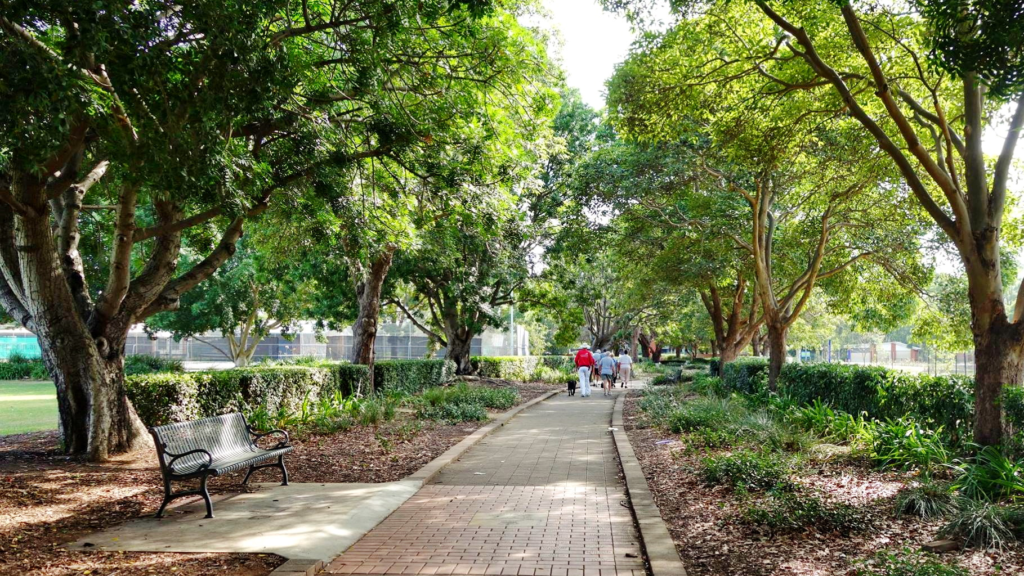
How We Protect Our Environment for the Children of Tomorrow
Every environmental decision a city makes is a decision about the future: the future Fairfield’s children will actually live in. The air they’ll breathe, the water they’ll drink, and the open spaces where they’ll play, learn, and build their own relationship with the natural world.
As a mother, I think about that future constantly. As a council member, I have the opportunity to make decisions today that either honor it or compromise it.
Sustainability means more to me than meeting state targets or checking compliance boxes. I want us to leave something behind worth inheriting: a city that protected its wetlands and open spaces, invested in clean energy and green infrastructure, and prepared its communities for the climate challenges ahead instead of pretending they were someone else’s problem.
My long-term environmental priorities include:
- Embedding sustainability into the city’s culture and governance so it outlasts any single council member’s term and doesn’t come and go with elections
- Engaging young people in environmental stewardship by connecting youth programs in Solano County to environmental education and conservation work, which I wrote about in Youth Programs in Solano County
- Building community ownership of our sustainability goals, so the conversation happens in neighborhoods, schools, and businesses, not just at City Hall
- Pursuing regional partnerships with Solano County, neighboring cities, and state agencies on environmental challenges that don’t stop at city limits
- Measuring and reporting progress transparently, so you can see exactly how Fairfield is performing on its environmental commitments and hold your elected officials accountable for following through
Fairfield’s Environment Is Worth Fighting For
The natural beauty and ecological richness of Fairfield aren’t guaranteed. They require active, consistent, courageous stewardship from the people making decisions at City Hall.
I see the connection between healthy natural environments and healthy communities. Green spaces, clean air, and climate resilience are essential investments in our city’s future, and I’ll keep pushing for them even when that requires hard choices, long-term thinking, and choosing what’s right over what’s politically easy.
For campaign and election information, visit ElectKPatriceWilliams.com.
Connect with me on LinkedIn and stay informed at kpatriceforfairfield.com
Frequently Asked Questions
1. What is Fairfield Forward 2050 and how does K. Patrice Williams support it?
It’s Fairfield’s comprehensive General Plan Update and Climate Action Plan, completed in 2024. I’m committed to making sure it moves from a policy document to real, measurable action.
2. How does environmental sustainability connect to quality of life in District 1?
Directly, through cleaner air, better parks, safer infrastructure during extreme weather, and neighborhoods that feel healthy, green, and worth living in.
3. What is she doing specifically about wildfire and extreme heat risk in Fairfield?
I support coordinated emergency preparedness, urban greening to reduce heat, and alignment with California’s state climate resilience framework to protect the most vulnerable residents first.