

Most people treat elections like a finish line. You vote, wait for results, and move on. Somewhere in that cycle, the connection between casting a ballot and the decisions that shape your daily life gets lost.
That disconnect happens when civic education stops at the mechanics of voting and never gets to why any of it matters. When people understand how elections actually work, not just how to vote but how votes get counted, how projections get made, and how local races shape their schools and neighborhoods, confidence replaces confusion and engagement replaces apathy.
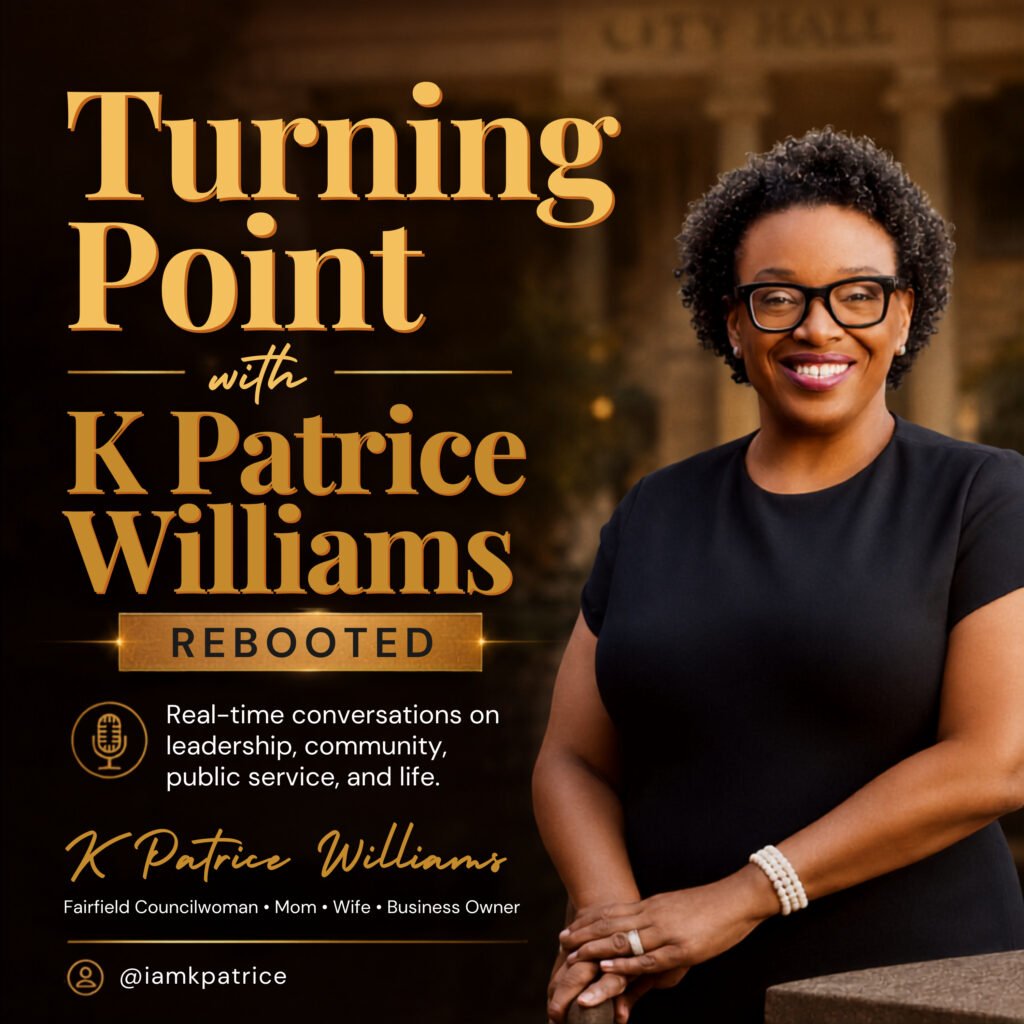
That’s the conversation I had with political analyst Earl Hall, community organizer Sarah Palino, and community leader Kevin Mack in this special post-election episode of Turning Point, recorded after the 2020 presidential election.
Listen to the full episode here and keep reading for the ideas that matter most.
Understanding How Elections Work Builds Democratic Confidence
A lot of people feel uncertain about elections not because they don’t care, but because nobody ever explained the process clearly enough for them to feel confident in it. Mail-in ballots, Electoral College projections, the gap between election night results and certified outcomes: without clear explanation, these generate confusion and distrust.
Earl Hall, political analyst and election commentator, breaks it all down with the kind of clarity that turns anxiety into understanding: how mail-in ballots get processed and counted, why results take time and why that time is a feature of a careful system rather than a sign something’s wrong, and how Electoral College projections work and what they reflect about the broader voting picture.
I believe this kind of civic literacy matters enormously. When people understand the process, they trust it more. When they trust it more, they participate more. And when more people participate, outcomes more accurately reflect what communities want.
Local Elections Shape Everything That Matters Most
The presidential race gets all the attention: the cable news coverage, the social media arguments, the historic turnout numbers. But the decisions that most directly shape your daily life, from the condition of your child’s school to the safety of your neighborhood and the accessibility of city services, are made in city council chambers and school board meetings, not in Washington.
That’s why city council and school board races across Solano County were part of our conversation. In these races, a few hundred votes can change the outcome, and the people elected show up to work in your community, vote on your neighborhood’s budget, and make the calls that determine whether your district gets better or stays stuck.
I’ve spent four years seeing this from the inside. Every vote I’ve cast on the Fairfield City Council, on housing affordability, fiscal discipline, public safety, infrastructure, small business support, and homelessness response, has reflected what District 1 residents told me mattered to them.
That’s what local government produces: decisions made week after week, month after month, on the issues that shape what daily life looks and feels like in your neighborhood.
Civic Engagement Does Not Stop After Voting
This might be the most important point in the episode, and the one most likely to be forgotten: civic engagement doesn’t end after voting. It continues through community participation and informed dialogue.
Voting is the entry point, not the full picture. The residents with the most influence on local government are the ones who show up to council meetings, submit public comments, stay informed about decisions between elections, and build relationships with their elected officials, holding them accountable in the ongoing conversation that happens in between.
Sarah Palino’s work with the Northern Solano Democratic Club reflects this kind of sustained engagement. Community organizing isn’t a seasonal activity. It’s year-round relationship building, information sharing, and collective advocacy.
Kevin Mack brings the community leader perspective: civic engagement looks different in different contexts, but it shares the same foundation, people who care about their community enough to stay involved even when it’s inconvenient.

What This Means for Fairfield Today
This episode was recorded after the 2020 presidential election, but everything in it applies to Fairfield right now. Local races rarely generate national headlines or dominate social media, yet they directly determine who represents neighborhoods like Cordelia and Green Valley and what that representation produces.
Residents who understand how elections work, know why local races matter, and stay engaged between cycles carry more weight than they might realize, especially when turnout is low. I wrote more about that in What Happens to District 1 If Voter Turnout Stays Low This November.
I built Turning Point to have conversations like this one: informative, not just inspiring, the kind that leave you with a clearer understanding of how democracy works and why your participation matters.
I brought Earl Hall, Sarah Palino, and Kevin Mack together because I believe informed communities make better decisions, at the ballot box and in the ongoing work of civic life. That belief is the philosophy behind how I try to govern in District 1: transparent, accountable, and rooted in our community.
Three Things to Do After Listening
This episode is practical by design. Here’s what you can do with it:
Share it with someone who feels disconnected from the process
The people most disengaged from local elections are often the ones whose lives are most directly affected by the outcomes. This episode gives them the context to understand how the system works and why their participation matters.
Stay engaged between elections
Follow local news. Attend a council meeting. Submit a public comment. Join a community organization. Civic participation doesn’t need a ballot attached to it to make a difference.
Vote in your local races
When you vote, don’t stop at the top of the ticket. City council and school board races shape housing, infrastructure, public safety, and community investment right here at home.
Listen to Understanding the Election on Turning Point here and visit kpatrice.com for more episodes on civic engagement, leadership, and community empowerment.
For campaign and election information, visit ElectKPatriceWilliams.com.
Learn more at kpatriceforfairfield.com.
Frequently Asked Questions
1. What is this episode of Turning Point about?
I sat down with political analyst Earl Hall, community organizer Sarah Palino, and community leader Kevin Mack to break down how elections work, why local races matter, and why civic engagement extends far beyond Election Day.
2. Who is Earl Hall?
Earl Hall is a political analyst and election commentator who joined the episode to explain the mechanics of vote counting, mail-in ballots, and Electoral College projections in clear, accessible language.
4. Where can I listen to this episode?
Listen to the full episode here and find more episodes at kpatrice.com.