
Most small business owners spend a lot of energy chasing customers through social media, word of mouth, referrals, and advertising. All of it takes time, money, and consistent effort with no guarantee of results. So I want you to consider a question: what if one of the most reliable customers available to your business has been right there the whole time?
The government buys a lot of things from a remarkably broad range of small businesses, and most owners have no idea how accessible those opportunities are. That’s what Lenny Bean, a procurement specialist with the Northern California Procurement Technical Assistance Center, and I unpacked in this episode of Turning Point, the first in a three-part series on government procurement. If you own a small business in Fairfield or anywhere in Solano County, this conversation was made for you.
Listen to the full episode here.
The Government Is Already Buying What You Sell
Government contracting isn’t just for defense contractors and technology giants. Federal, state, county, and city agencies, school districts, and other public bodies buy an enormous range of products and services from small businesses every day: office supplies, catering, construction and renovation, marketing and communications, cleaning and maintenance, IT support, training, transportation, and more. If your business sells a product or provides a service, there’s a reasonable chance some agency needs exactly what you offer and has budget set aside to buy it.
The challenge isn’t eligibility. It’s awareness and preparation. Most small business owners never pursue government contracts because they assume the process is too complicated, the competition too large, or the opportunities too limited. Lenny’s message is direct: those assumptions are wrong.
Opportunities exist at every level. Federal agencies have small business set-aside programs that direct a portion of contracting dollars toward small and disadvantaged businesses. State and county agencies have their own procurement processes across a wide range of industries. Local agencies, including city governments like Fairfield, buy from local vendors regularly. And large prime contractors frequently subcontract portions of their work to smaller businesses, another pathway in that doesn’t require competing for a prime contract directly.

You Do Not Have to Figure This Out Alone
This is the most practically important point in the episode. Navigating government procurement for the first time is genuinely complex. The terminology is specific, registration requirements are layered, set-aside certifications take time and documentation, and competitive bids require a level of preparation most small businesses have never needed for commercial customers. That complexity is exactly why NorCal PTAC exists.
The Northern California Procurement Technical Assistance Center provides free and low-cost assistance to small businesses pursuing government contracts. Specialists like Lenny help businesses assess whether government contracting makes sense for them, identify the most relevant opportunities, understand registration and certification requirements, develop marketing materials for government buyers, and prepare competitive proposals.
In other words, the expertise you need is available to you. You don’t need to hire an expensive consultant or spend months on trial and error.
This connects to the small business support I’ve championed on the council. As I wrote in Small Business Support in Fairfield CA, the most effective support for local entrepreneurs combines practical resources with community investment that tells business owners their city is rooting for them. NorCal PTAC is exactly the kind of practical resource that changes outcomes for businesses willing to use it.

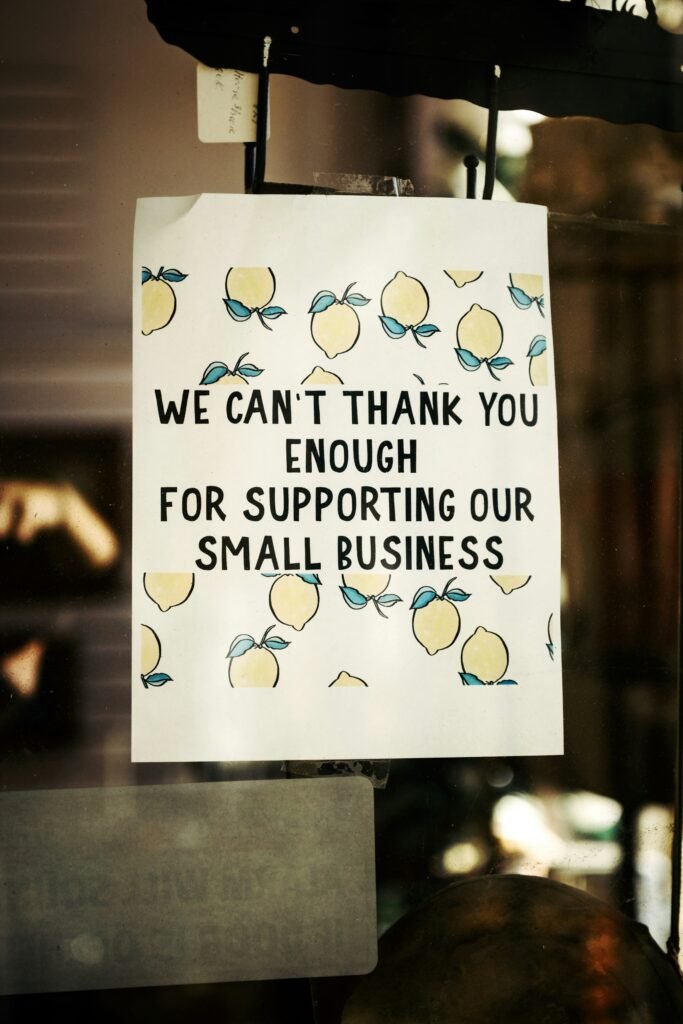
Photo by Zulfugar Karimov on Unsplash
Cybersecurity Is Now Part of Being Contract-Ready
This part surprises most small business owners. Government contracting increasingly requires demonstrating basic cybersecurity practices, and not only for technology businesses or defense contractors. Any business pursuing government contracts needs to show it takes data protection seriously.
Lenny outlines the core areas that matter: protecting business data from unauthorized access, controlling who has access to systems and information, using secure networks, maintaining regular backups, and training employees on basic cyber hygiene so human error doesn’t undermine everything else.
That may sound like a significant extra burden, but Lenny’s framing is useful. Cybersecurity readiness is good business practice for any company that handles customer data or financial information. The government requirement simply adds accountability around practices that protect your business anyway.
Why I’m Talking About This
I built this three-part series because economic opportunity in Fairfield isn’t just about attracting new businesses from outside. It’s about helping the businesses already here grow into their full potential, and government contracting is a significant, underused growth pathway for small businesses across Solano County.
I know what it takes to build a business because I’ve built one, and I know what resources small business owners need because I’ve needed them myself. I’ve spent four years in District 1 fighting for a policy environment with less red tape, better access to resources, and a city government that actively roots for its entrepreneurs.
Every Fairfield small business that wins a government contract grows its revenue, potentially adds employees, and contributes more to our local economy. That’s good for the business owner and for our entire community.
Listen to this first episode in the government contracting series here, and share it with every small business owner you know who has never considered the government as a customer.
Three Things to Do After Listening
One: Assess your business honestly. What products or services do you offer that government agencies might need? The answer is probably broader than you think.
Two: Reach out to NorCal PTAC. Their assistance is free and designed for small businesses at exactly the stage where most people feel overwhelmed. You don’t need to have it figured out before you contact them.
Three: Keep listening. The next two episodes in this series go deeper into the specific processes and strategies for winning government contracts. Subscribe to Turning Point at imkpatrice.com so you don’t miss them.
For campaign and election information, visit ElectKPatriceWilliams.com.
Frequently Asked Questions
1. What is NorCal PTAC and how can it help my small business?
NorCal PTAC is the Northern California Procurement Technical Assistance Center. It provides free and low-cost assistance to small businesses pursuing government contracts, helping them identify opportunities, understand requirements, and prepare competitive proposals.
2. What kinds of businesses can pursue government contracts?
Almost any business that sells products or provides services. Government agencies at every level purchase an enormous range of goods and services from small businesses including supplies, catering, construction, marketing, IT support, cleaning, training, and much more.
3. What cybersecurity practices do small businesses need for government contracting?
Core practices include protecting business data, controlling system access, using secure networks, maintaining regular backups, and training employees on cyber hygiene. These are increasingly standard requirements across many government contracting opportunities.