
Most conversations about the challenges facing women and girls stay at the level of concern. People agree that poverty is a problem, that homelessness disproportionately affects women, that maternal health disparities are real, and that human trafficking happens in communities that prefer not to acknowledge it. Everyone nods, the conversation ends, and not much changes.
This episode of Turning Point goes somewhere different. I sat down with Laura Petty, Chair of the Solano Commission for Women and Girls, and Sakina Ali, Treasurer and Youth Member-at-Large, for a conversation that moves from data to action. They came prepared with findings, and they talked about what the Commission has actually learned about the realities facing women and girls in Solano County and what they’re doing about it.
Listen to the full episode here.
Who the Solano Commission for Women and Girls Is
The Solano Commission for Women and Girls is a county body dedicated to understanding and addressing the challenges facing women and girls across Solano County. Laura Petty brings the legal expertise of a certified criminal law specialist to her role as Chair. Sakina Ali brings a youth equity perspective as Treasurer and Youth Member-at-Large.
Together they show how effective advocacy works: lived experience alongside professional expertise, young voices alongside established ones, and data used to solve problems, not just describe them.
Their Status Report examines where Solano County’s women and girls are most vulnerable. The findings are specific: poverty, homelessness, food insecurity, human trafficking, and maternal and infant health disparities all require focused attention and coordinated response. Each one represents real women in our county dealing with real conditions that we have both the ability and the responsibility to address.
Data Should Lead to Action
The Commission’s core principle is simple: understanding the realities facing women and girls is the starting point for identifying where resources, advocacy, and policy attention are needed most. Data that sits in a report without producing action is wasted, and the Commission exists to make sure that doesn’t happen.
That principle connects directly to how I approach my work on the Fairfield City Council. Whether the issue is homelessness, housing affordability, or public safety, I push past awareness into the specific policy and budget decisions that produce real outcomes. As I wrote in Compassion Meets Accountability: A Proven Strategy to Reduce Homelessness, compassion without accountability produces programs that feel good but don’t deliver. Awareness without action leaves the conditions intact.
The Commission’s findings on poverty and food insecurity point to the same structural conditions I’ve been working to address through affordable housing, workforce development, and economic opportunity in District 1. Their data backs up the priorities I’ve championed at the council table.
The Findings That Deserve the Most Attention
Poverty and food insecurity
Women in Solano County, particularly single mothers and elderly women living alone, face disproportionate economic vulnerability. Food insecurity is a daily reality for a significant portion of the county’s female population. Addressing it requires both immediate resource connection and longer-term economic empowerment.
Homelessness
Women experiencing homelessness face specific risks that general homelessness programs don’t always address. Domestic violence is a leading cause of housing instability among women, and mothers with children navigate systems that aren’t always designed with their circumstances in mind. The Commission’s attention to this area reinforces the kind of gender-specific housing solutions that Hazel’s Tranquility Place is built to provide. I founded Hazel’s Tranquility Place and named it after my mother. It gives formerly incarcerated women and their children a safe home and a genuine pathway forward, and that work responds directly to what the Commission’s data shows.
Human trafficking
This is the area most communities prefer to treat as someone else’s problem. The Commission names it directly because it happens in Solano County, and pretending otherwise leaves vulnerable women without the resources and community awareness that could protect them.
Maternal and infant health disparities
The data on maternal health outcomes for women of color is well-documented and deeply troubling. Black women in California face significantly higher maternal mortality rates than white women. These disparities don’t reflect differences in health behavior. They reflect systemic failures in how healthcare treats different patients. The Commission’s attention to this issue is essential.

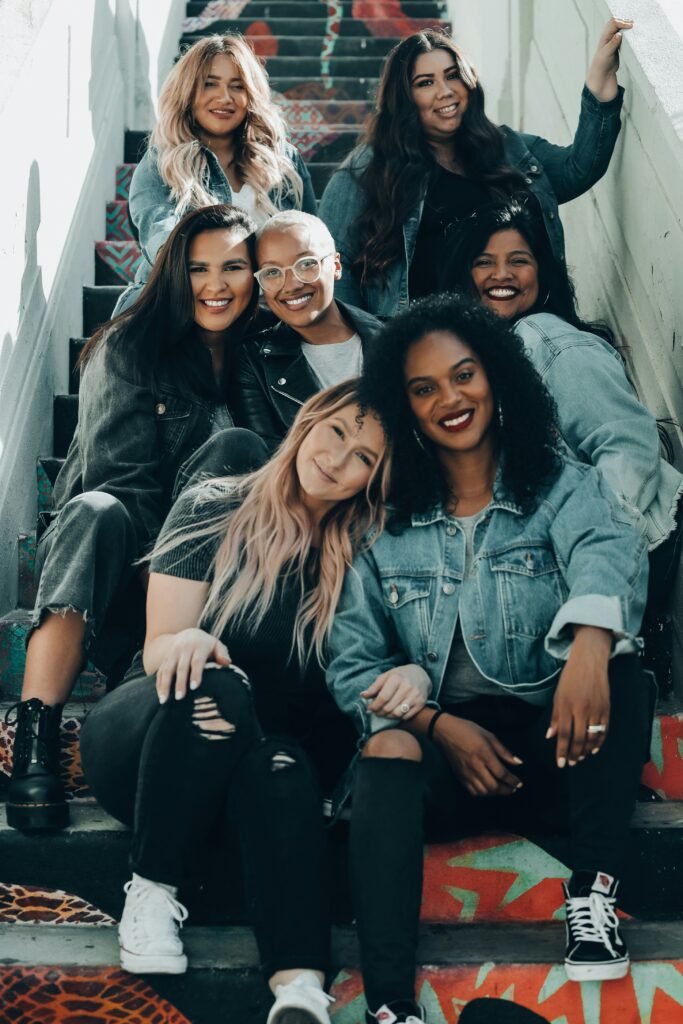
Photo by krakenimages on Unsplash
Collaboration Creates Stronger Solutions
One of the most practical points in this episode is how the Commission works. Rather than duplicating what’s already happening, it brings community members, professionals, organizations, and advocates to the same table, finds the gaps, and connects the right people so they can deliver more together than any one organization could alone.
That’s the approach I’ve championed too. I co-founded Solano Impact Care around connection and coordination rather than duplication, and in my council work on homelessness I’ve pushed for multi-agency coordination that produces real housing outcomes instead of parallel systems serving the same people.
The Commission’s working groups give community members specific ways to contribute. You don’t need to be a commissioner, or even a woman, to participate. As Laura and Sakina make clear, everyone has a role, whether you bring expertise, time, lived experience, or simply a willingness to show up and learn.
Sakina Ali and the Youth Voice
Young women in Solano County are not a demographic to be protected and spoken for. They are advocates, organizers, and community members who bring perspectives that no amount of professional expertise can replicate. Sakina Ali’s presence on the Commission reflects a commitment to including the voices most likely to be left out of formal governance spaces.
That matters practically. The policies that will most shape young women’s futures are being made right now, in county offices and council chambers, by adults who may not know what young women in our region are actually experiencing. Sakina helps close that gap.
What You Can Do
The Commission invites participation in solving the problems it studies. You can engage with working groups, attend Commission meetings, and contribute to advocacy around the specific issues the Status Report identifies. You don’t need to wait for an invitation. The Commission’s work is public and its doors are open.
Beyond the Commission, Solano Impact Care and Hazel’s Tranquility Place offer direct ways to support women in Solano County right now. Visit solanoimpactcare.org and hazelstranquility.org to learn more about each organization and how you can contribute.
I wrote more about why representation matters in Women in Local Government Fairfield CA. The interests of women and girls deserve to be taken seriously at every level of government.
Listen to the full episode with Laura Petty and Sakina Ali here, and share it with someone who cares about the futures of women and girls in Solano County.
For campaign and election information, visit ElectKPatriceWilliams.com.
Frequently Asked Questions
1. What is the Solano Commission for Women and Girls?
A county body dedicated to understanding and addressing the challenges facing women and girls across Solano County through research, advocacy, collaboration, and community engagement.
2. What does the Commission’s Status Report cover?
The report examines conditions facing women and girls in Solano County including poverty, homelessness, food insecurity, human trafficking, and maternal and infant health disparities.
3. How can community members get involved with the Commission?
Anyone can participate in the Commission’s working groups, attend meetings, and contribute to advocacy efforts. You don’t need to be a commissioner or a woman to contribute meaningfully.