

Homelessness does not have one cause. So it cannot have one solution. That sounds obvious when you say it out loud. Yet local government responses to homelessness often operate as if a single program, a single vote, or a single policy shift will move the needle in any meaningful way. The communities that actually make progress on this issue are the ones that combine housing investment, coordinated services, nonprofit partnerships, and sustained political will. All of it, working together, over time.
K. Patrice Williams approaches homelessness in Fairfield from exactly that perspective. Not as a problem to manage visibly but as a challenge that demands real solutions across multiple fronts simultaneously.
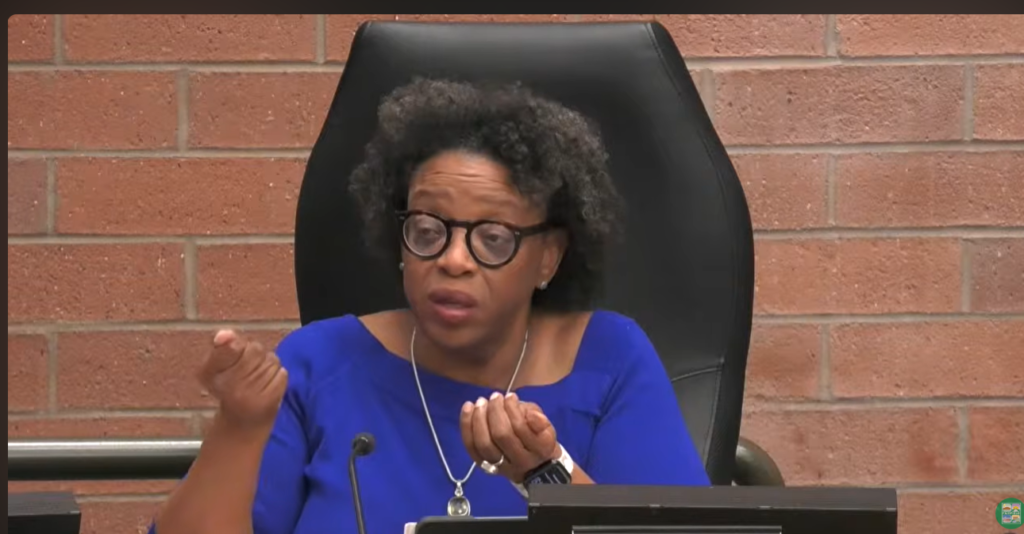
Her Work Started Before the Council Seat
This is where the story of her approach to homelessness actually begins.
Long before she filed for District 1, K. Patrice Williams was already doing the work. As CEO of Hazel’s Tranquility Place, she runs a structured supportive housing program in Solano County specifically designed to serve formerly incarcerated women and their children. These are individuals that most housing programs do not adequately reach. Women leaving the criminal justice system face compounding barriers: limited employment history, restricted housing options due to their records, and family responsibilities that most transitional programs are not designed to accommodate.
Hazel’s Tranquility Place was built to close that gap. Not as a political initiative. As a direct response to a real population of women in Solano County who kept falling through every existing system.
Through Solano Impact Care, she co-founded a community support organization providing personalized care and meaningful connection for people navigating serious life challenges across Solano County. Connecting people to the right support at the right time, before crises deepen, is the kind of intervention that prevents homelessness rather than just responding to it after the fact.
Both organizations inform her council work on homelessness in ways that no policy briefing can replicate. When she asks specific questions at council meetings about services, accountability, and what actually happens to people after they are placed in housing, she asks them as someone who has operated in that space directly. That is a genuinely different kind of knowledge.
The Vista Ridge Vote and What It Represents
In 2025, the Fairfield City Council voted on the Vista Ridge permanent supportive housing project. The proposal converts a former hotel property into 50 permanent homes for people transitioning out of homelessness, with on-site support services included. The city’s September 2026 update confirms that rehabilitation is currently underway with completion expected by February 2027.
The vote passed four to three. K. Patrice Williams voted yes.
Before casting that vote, she asked detailed questions about financing, operations, management, security, services, and accountability. She did not vote on sentiment. She worked through the specifics of what the project would deliver and what accountability structures would ensure it delivered those things over time.
Her reasoning, which she has stated clearly and publicly, is grounded in a practical assessment. Leaving people experiencing chronic homelessness on the street does not save money. Emergency medical responses, police calls, fire department involvement, hospital visits, those costs land on taxpayers consistently and without resolution. Permanent housing with genuine support services attached addresses the underlying condition rather than cycling the same individuals through the same crisis systems indefinitely.
When Vista Ridge opens in February 2027, 50 people will have a stable home with services available. That is not a complete solution to homelessness in Fairfield. It is one meaningful piece of a larger response. And it would not be moving forward without the council votes that supported it.
Coordination Is Not Optional
Here is what K. Patrice Williams has said consistently throughout her first term.
No single agency solves homelessness. Not city government alone. Not a nonprofit sector working in parallel but not in coordination. Not law enforcement. Not healthcare. Not housing developers. All of those systems have a role. The outcomes improve when they work from shared goals with shared accountability toward shared results.
Her advocacy for coordinated homelessness response in Fairfield pushes for exactly this. Shared data systems so that organizations are not serving the same individuals in isolation without knowing what other services they are already receiving. Formal coordination structures that bring city government, county agencies, and nonprofit partners to the same table with the same information. Accountability mechanisms that track whether people placed in housing actually remain housed six months later, one year later, three years later.
As explored in the piece on Compassion Meets Accountability: A Proven Strategy to Reduce Homelessness, the most effective homelessness response integrates housing with wraparound support. That integration does not happen automatically. Someone has to push for it at the policy level consistently enough that it actually gets built.
Prevention Deserves as Much Attention as Response
One of the clearest points she has made in recent council meetings is about where intervention should be happening.
Preventing someone from losing their housing in the first place is significantly less expensive and significantly less traumatic than trying to re-house them after they have been on the street for months. Targeted rental assistance. Eviction prevention programs. Utility bill support that keeps a family in their home through a financial crisis rather than pushing them out of it. Faith community organizations and local nonprofits already do some of this work with their own resources. Connecting that work to city and grant funding so it can scale is a practical next step that she has pushed for.
The point is straightforward. Fairfield cannot build enough permanent supportive housing to keep pace with a homelessness challenge that is not also being addressed on the prevention side. Both ends of the continuum require investment. Not one at the expense of the other.
What Comes Next
Vista Ridge moves toward completion in February 2027. That is real progress on 50 units of permanent supportive housing for people who need it.
Beyond Vista Ridge, the work continues. Pursuing Violence Against Women Act funding specifically for women experiencing homelessness, a population consistently undercounted and underserved by general homelessness programs. Supporting Mission Samoa, Bay North, and the other organizations in Fairfield’s homelessness response ecosystem that are delivering results and need sustained city support to keep doing so. Pushing for a reimbursable grant mechanism that allows faith organizations and community groups to receive funding for the prevention interventions they are already doing with their own resources.
Through Solano Impact Care and Hazel’s Tranquility Place, K. Patrice Williams will keep doing the direct community work that has always sat alongside her council role. Both are expressions of the same commitment. Homelessness in Fairfield deserves sustained, serious, multi-front attention. And it requires leaders who bring both policy authority and direct community knowledge to the table.
That combination is rare. District 1 has it right now.
Vote K. Patrice Williams for Fairfield City Council, District 1, November 3, 2026.
Learn more at kpatriceforfairfield.com
Frequently Asked Questions
1. What is Vista Ridge and what is K. Patrice Williams’ connection to it?
Vista Ridge is a Fairfield project converting a former hotel into 50 permanent homes for people transitioning out of homelessness, with on-site support services. Rehabilitation is underway with completion expected February 2027. Williams voted yes on the project in a four to three council vote after asking detailed questions about operations, services, and accountability.
2. What is Hazel’s Tranquility Place and who does it serve?
Hazel’s Tranquility Place is a structured supportive housing program in Solano County that K. Patrice Williams runs as CEO. It specifically serves formerly incarcerated women and their children, a population that most transitional housing programs do not adequately reach. Learn more at hazelstranquility.org.
3. What is Solano Impact Care?
Solano Impact Care is a community support organization co-founded by K. Patrice Williams that provides personalized care and meaningful connection for people navigating serious life challenges in Solano County. Learn more at solanoimpactcare.org.
4. Why does she emphasize prevention alongside housing placement?
Because preventing someone from losing their housing is less expensive and less traumatic than re-housing them after they have experienced street homelessness. She advocates for investment at both ends of the homelessness continuum rather than focusing exclusively on crisis response.
5. When is the election?
November 3, 2026. Ballots drop in early October. Visit kpatriceforfairfield.com for full voting information and ways to get involved before Election Day.