
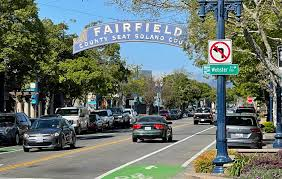
Trust does not flow in one direction.
City Hall cannot simply ask residents to trust it. Residents cannot demand transparency without showing up to participate. Real trust between a community and its government takes work from both sides, consistently, over time, not just during election season when everyone suddenly wants to listen.
This November, District 1 voters get to decide who carries that responsibility forward. And the conversation about trust deserves more than a campaign slogan. It deserves a real look at what builds trust, what erodes it, and what Fairfield residents should expect from the relationship between their community and their city government.
Why Local Trust Still Matters More Than People Realize
Here’s something worth knowing. People trust local government more than any other level.
Survey research consistently shows that people trust local institutions more than national ones, including government and media. A February 2025 Pew Research Center survey found that nearly two-thirds of adults viewed their local government favorably, while only about a fifth felt the same about Washington.
That gap matters. It means local government has something precious that national institutions have largely lost: a real shot at earning genuine trust. But that trust is not guaranteed. Scholars warn that roughly one-third of residents still doubt their city or county’s willingness or capacity to tackle the problems they care about most.
Fairfield sits right at that crossroads. The opportunity to build deep, lasting trust exists. So does the risk of losing it.

What Actually Builds Trust at City Hall
Trust does not come from good intentions alone. Research points to specific, concrete practices that work.
Make information genuinely accessible
A 2025 municipal finance brief found that jurisdictions publishing machine-readable financial data experienced markedly higher confidence among constituents than peers that kept figures buried in PDFs. Simple changes in how information gets shared make a measurable difference.
Show up before decisions get made, not after
Research shows that simply notifying residents about upcoming releases of government records measurably boosts their perception of honesty, even before anyone examines the documents themselves. Transparency starts with the act of opening the door, not just what’s behind it.
Give residents real decision-making power
Participatory budgeting now operates in over 100 U.S. cities, letting residents propose and vote on how to spend portions of public budgets directly. European Parliament analysts describe the practice as a pathway to inclusive and transparent governance, noting statistically significant gains in perceived accountability wherever it becomes routine.
Respond, and respond quickly
A 2025 study examining public participation and trust in local government found that perceived responsiveness directly mediates the relationship between participation and trust. In plain terms, residents don’t just want to be heard. They want proof that being heard actually changes outcomes.
These are not abstract ideas. They are practices any city, including Fairfield, can implement deliberately and consistently.
The Cost of Getting This Wrong
Trust does not erode quietly. It erodes with real consequences.
Unchecked mistrust leads to apathy, low voter turnout, little or no support for tax increases and new initiatives, and resistance to or noncompliance with regulations and laws. A city government residents don’t trust struggles to pass anything, fund anything, or move anything forward, even good ideas with genuine merit.
There’s a harder reality too. In 2024, local officials reported facing increased levels of harassment and threats, with 87 percent noting a decline in civil discourse during their time in office. Trust breaking down doesn’t just hurt residents. It pushes good people away from public service entirely.
Fairfield cannot afford either outcome. Not the apathy. Not the hostility. Both stem from the same root cause: a community that has stopped believing its government actually hears it.
What This Looks Like in Practice for District 1
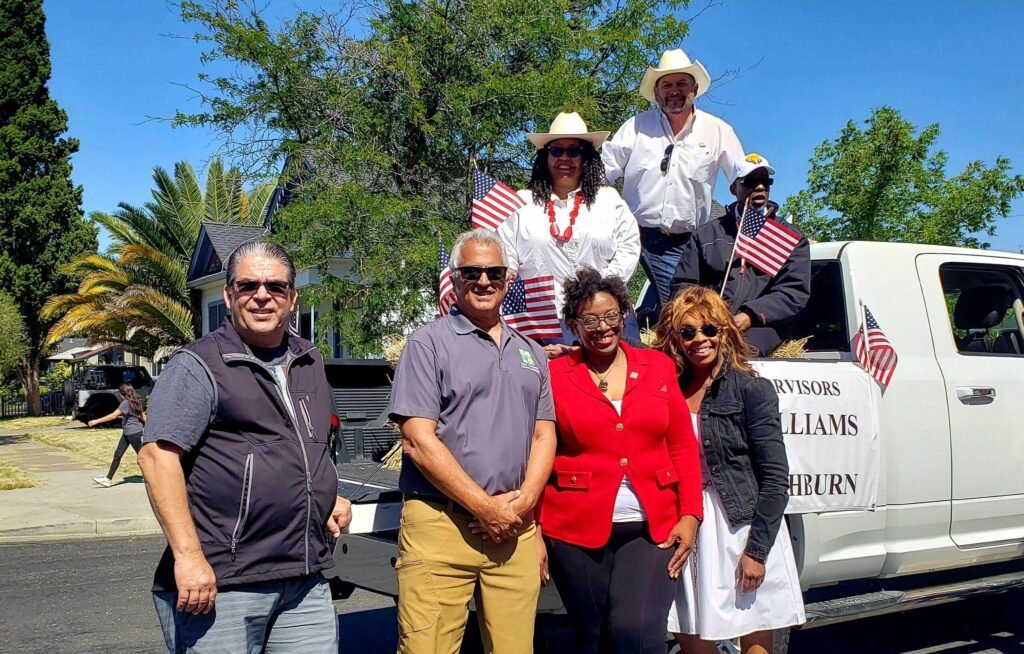
Trust-building is not theoretical for K. Patrice Williams. It has shaped her approach to representing District 1 since 2022.
Her platform through Turning Point with K. Patrice Williams created an ongoing, two-way conversation long before she held office. That kind of sustained dialogue builds the responsiveness research shows residents actually need to feel heard.
Her co-hosting of the Community Healing Circle this year, discussed in Inside Fairfield’s Community Healing Circle, demonstrated something research consistently confirms: trust deepens fastest in moments of genuine vulnerability, when leaders show up not with talking points but with real presence.
What City Hall Should Be Doing
Building trust requires specific commitments, not vague promises. Here is what residents should expect:
City Hall should publish financial data in formats residents can actually read and understand, not buried in technical reports.
In addition, City Hall should notify residents about upcoming decisions before those decisions get finalized, giving real time for input.
City Hall should create genuine opportunities for residents to shape budget priorities directly, not just comment on decisions already made.
Also, City Hall should respond to resident concerns with visible follow-through, showing people their input actually changed something.
City Hall should make public meetings accessible through live streaming, translation, and multiple ways to participate beyond showing up in person.
None of this is complicated. It requires consistent follow-through more than clever ideas.
What Residents Should Be Doing Too
Here’s the part of this conversation that gets skipped too often. Trust is a two-way commitment.
Residents build trust by showing up, even when it’s inconvenient. Attending council meetings. Submitting public comments. Filling out surveys when they’re offered.
Residents build trust by engaging in good faith. Civil discourse has declined nationally, and rebuilding it requires residents treating disagreement as a normal part of democracy, not a personal attack.
Residents build trust by staying informed between elections, not just during them. When communities see that their voices matter in city hall, they’re more likely to believe their votes matter everywhere else.
Residents build trust by voting. Every election, not just the high-profile ones. Local elections shape daily life more directly than almost anything else on a ballot.
Why This Election Matters for That Relationship
This November, Fairfield District 1 chooses who carries this two-way relationship forward.
A council member can either deepen trust through consistent transparency and genuine responsiveness, or erode it through closed-door decisions and empty promises. There is no neutral option. Every term either builds the relationship between residents and City Hall or weakens it.
K. Patrice Williams has spent four years choosing to build. Her record on transparency. in addition, Her platform built around honest dialogue. Her willingness to show up in community spaces, not just council chambers. These choices reflect a consistent philosophy: residents deserve a government that earns their trust actively, not one that assumes it by default.
A second term means continuing that work. It means expanding the channels District 1 residents have to participate directly in decisions affecting their neighborhoods. It means treating responsiveness as a standard, not a talking point.
Trust Is Built One Decision at a Time
There is no single moment where trust gets fully earned and then stays permanently secure.
It gets built, decision by decision, meeting by meeting, year by year. Also, it gets tested during hard budget years. It gets tested when a project doesn’t go as planned. It gets tested when residents disagree with a vote and want to understand why it happened anyway.
What matters is whether the relationship holds. Whether residents still believe, even during disagreement, that their council member is listening and accountable.
This November, District 1 decides whether that relationship continues moving forward.
Vote K. Patrice Williams for Fairfield City Council, District 1, this November.
Learn more at kpatriceforfairfield.com and connect with K. Patrice Williams on LinkedIn.
Frequently Asked Questions
1. Do people actually trust local government more than national government?
Yes. Research consistently shows people trust local institutions significantly more than national ones, with a 2025 Pew survey finding nearly two-thirds of adults view local government favorably.
2. What specific practices help build trust between residents and city government?
Publishing accessible financial data, notifying residents before major decisions, creating participatory budgeting opportunities, and demonstrating visible responsiveness to resident concerns.
3. What happens when trust between residents and local government breaks down?
Research shows it leads to apathy, lower voter turnout, reduced support for city initiatives, and increased noncompliance with local regulations.
4. How can residents help build trust with their local government?
By participating consistently, engaging in good faith even during disagreement, staying informed between elections, and voting in every local election.
5. How has K. Patrice Williams approached trust-building during her first term?
Through consistent transparency commitments, an open dialogue platform through Turning Point with K. Patrice Williams, and genuine community presence during both celebratory and difficult moments.