
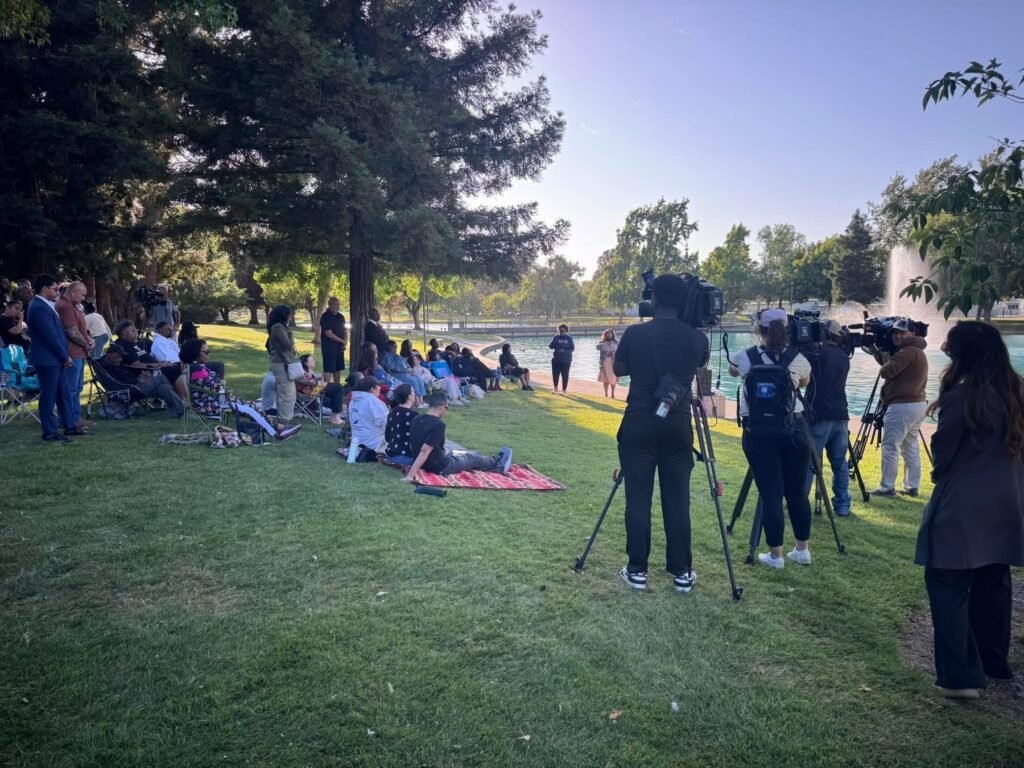
Solano County is home to families from all over the world. They work, raise children, open businesses here and show up for their neighbors here. And right now, many of these families face real fear and real uncertainty about their place in this community.
That fear is not abstract. The Solano Community Foundation released a public statement acknowledging growing concerns about potential immigration enforcement activity in the county, noting that this possibility brings fear and uncertainty, especially among mixed-status families and immigrant communities who contribute every day to the life and wellbeing of Solano County.
A truly welcoming community does not just say it values diversity. It builds the systems, the resources, and the relationships that prove it. Here is what that actually looks like in Solano County right now, and why it matters heading into this November’s election.
hat Immigrant Families in Solano County Are Actually Navigating
Let’s be direct. Immigrant families here face real, practical challenges.
They navigate complex eligibility rules for public assistance. Also, they worry about how immigration status affects access to healthcare. They sometimes hesitate to seek help at all, even when they qualify, simply out of fear.
The Solano Community Foundation put it plainly. Solano is stronger because of its diversity. Shared values of basic respect and human dignity define this community. Those values only mean something if they show up in actual support systems.
Real Resources Already Serving Solano County’s Immigrant Families
Solano County is not starting from zero. Real infrastructure exists, even if many residents don’t know about it yet.
Solano County Health and Social Services runs Refugee and Immigrant Programs offering cash assistance through CAPI, RCA, and TCVAP for eligible refugees and immigrants. These offices operate in Fairfield, Vallejo, and Vacaville, putting support within reach across the county.
Solano County Health and Social Services describes its mission as promoting healthy, safe, and stable lives for all residents, with values that explicitly include diversity, respect, fairness, and equity. That mission applies to every resident, regardless of immigration status.
Legal Services of Northern California hosts ongoing remote clinics helping people apply for US citizenship. These clinics remove one of the biggest barriers families face: access to trustworthy legal guidance.
The Solano Family Justice Center in Fairfield provides services under one roof for survivors of domestic violence, sexual assault, child abuse, elder abuse, and human trafficking, offering resources with compassion and without judgment, all free of charge. Many immigrant survivors face unique barriers to safety. A center like this removes obstacles instead of adding them.
These resources work. But they only help families who know they exist.
When Fear Keeps Families From Help They Need
Here’s the hard truth. Fear stops people from accessing services they are legally entitled to.
In response to growing concerns about ICE activity, the Solano Community Foundation pointed residents toward the Rapid Response Network, which provides real-time monitoring and legal support during enforcement activity, along with free legal assistance through California Rural Legal Assistance and the Immigrant Legal Resource Center.
The foundation also pointed to Solano Faith and Community Partners, noting that local churches, advocacy groups, and nonprofits across the county continue offering trusted support, accompaniment, and referrals for anyone who needs a connection to a trusted neighborhood resource.
This matters because trust takes time to build. A welcoming community invests in that trust consistently, not just during moments of crisis.
What Local Government’s Role Actually Looks Like
A city council member cannot write federal immigration policy. That power sits well above the local level.
But local government still has real influence. Council members vote on budgets that fund community organizations. They decide which local services get prioritized. They set the tone for how welcoming a city actually feels, not just on paper, but in daily life.
This connects directly to the work explored in the piece on Disability Access and Inclusion in Fairfield CA. Every resident deserves a city government that sees them clearly and serves them fully, regardless of background, ability, or immigration status. Inclusion is not a single issue. It is a governing philosophy that touches every community a council member represents.
It also connects to the broader public safety conversation in Public Safety in Fairfield, CA, where genuine safety depends on trust between residents and the institutions meant to serve them. Immigrant families cannot trust law enforcement, healthcare providers, or city services if they fear those same systems will be used against them. Trust has to be earned and protected deliberately.
Why This Matters Heading Into November
This November, Fairfield voters decide who represents District 1 for the next four years.
That decision shapes whether immigrant families in Cordelia and Green Valley have a council member who understands their reality. It shapes whether city resources flow toward organizations doing trust-building work. It shapes whether Fairfield continues building the kind of welcoming infrastructure that protects every resident, not just some of them.
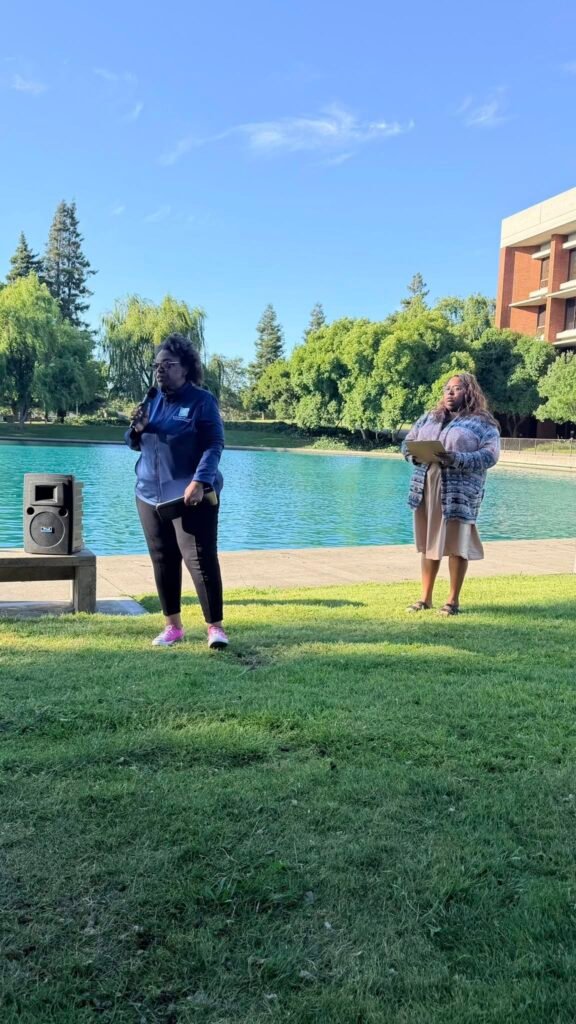
K. Patrice Williams has spent four years building exactly this kind of community-rooted leadership. Her work co-founding Solano Impact Care reflects a consistent commitment to meeting people where they are, with compassion and without judgment. That same philosophy extends naturally to how she approaches every community she represents, including Fairfield’s immigrant families.
A second term means continuing to push for a Fairfield where every resident, regardless of where they were born, feels safe accessing the services they need and trusts the local government meant to serve them.
Simple Ways to Support Immigrant Families Right Now
You don’t need a council seat to make a difference. Here is what helps right now.
Share accurate information. Many families don’t know free legal clinics exist. A simple share can connect someone to real help.
Support local organizations doing this work daily. The Solano Family Justice Center operates entirely on community support, offering free services to survivors regardless of status.
Show up as a neighbor. Trust builds through small, consistent actions. A friendly conversation. A genuine offer of help. These moments matter more than people realize.
Stay informed about local resources. Solano County’s Refugee and Immigrant Programs office sits right here in Fairfield at 275 Beck Ave, ready to help eligible families access support.
A Welcoming Community Takes Real Work
Words alone don’t build trust. Action does.
Solano County already has real resources serving immigrant families. Real organizations doing real work. Real people showing up for their neighbors every single day. The question is whether local leadership continues strengthening that infrastructure or lets it quietly erode.
This November, that question lands on the ballot.
Vote K. Patrice Williams for Fairfield City Council, District 1, this November.
Learn more at kpatriceforfairfield.com and connect with K. Patrice Williams on LinkedIn.
Frequently Asked Questions
1. What resources exist for immigrant families in Solano County?
Solano County Health and Social Services runs Refugee and Immigrant Programs offering cash assistance, while Legal Services of Northern California hosts free citizenship clinics.
2. Where is the Solano County Refugee and Immigrant Programs office located?
The Fairfield office sits at 275 Beck Ave., with additional locations in Vallejo and Vacaville.
3. What should immigrant families do if they fear ICE activity?
The Rapid Response Network provides real-time monitoring and legal support, reachable through a 24-hour hotline for residents who need immediate guidance.
4. Does immigration status affect access to support services?
Eligibility varies by program. Speaking directly with Solano County Health and Social Services or a free legal clinic gives families accurate, individualized answers.
5. How can Fairfield residents support immigrant families locally?
Sharing accurate resource information, supporting organizations like the Solano Family Justice Center, and showing up as a genuine neighbor all build the trust immigrant families need.